Understanding Zimbabwe’s Safari Seasons
Zimbabwe’s year splits roughly down the middle. You’ve got your dry months from May through October, then the wet season takes over from November through April. These aren’t subtle shifts, the place transforms completely.
During the dry months, the grass dies back, trees lose their leaves, and water becomes scarce. Animals have no choice but to gather around whatever waterholes still have water. Spotting wildlife becomes almost too easy. Come the rains, everything flips. The bush explodes green, water sits everywhere, and animals scatter across the parks because they can. Viewing gets trickier, but you’re watching them behave naturally instead of desperately seeking water.
The temperature swings between seasons catch people off guard. Winter days (June to August) hover around 25°C, which sounds lovely until you’re on a dawn game drive in 2°C air that cuts through every layer you packed. Summer (December to February) cranks up past 35°C with humidity that makes you feel like you’re breathing through a wet towel. These extremes don’t just affect your comfort, they dictate when animals move and what they’re doing.
The Dry Season: May to October
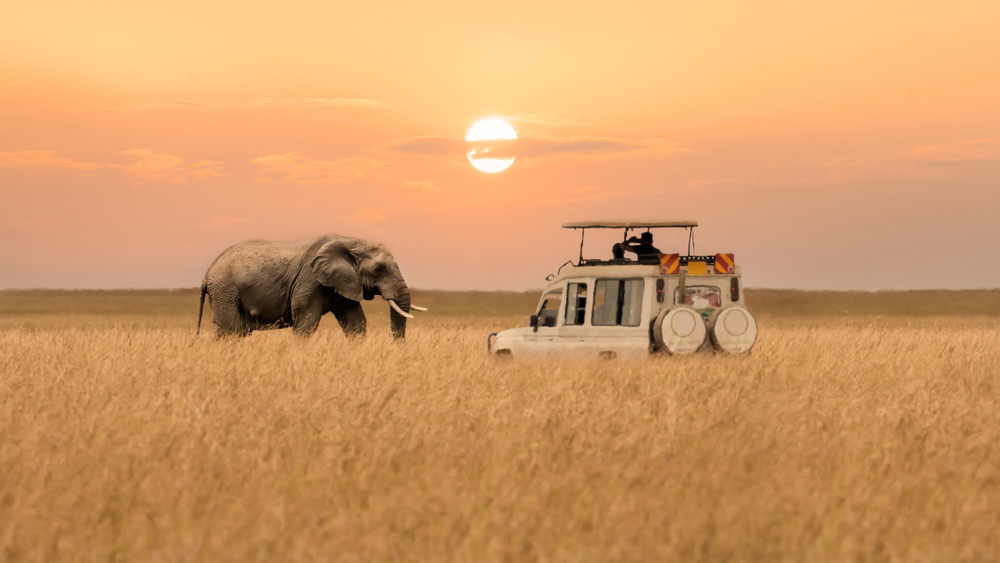
Most people picture the dry season when they think of “African safari,” and Zimbabwe doesn’t disappoint during these months. Water dries up everywhere except permanent sources, so you know exactly where animals will be. Hwange becomes properly mental during this time, elephants turn up in numbers that beggar belief.
May eases you into the dry months. The landscape hasn’t fully browned off yet from April’s last rains, and animals haven’t concentrated hard around water. You’ll see plenty, tourist numbers stay reasonable, and lodges haven’t jacked their rates to peak season prices.
The cold really sets in from June through August. Mornings start brutal, properly freezing, but by midday you’re stripping layers off. The vegetation thins out dramatically, which means you can actually see through the bush. Wildlife viewing peaks during these months, especially in Hwange and Mana Pools where animals queue up at the Zambezi to drink.
September and October crank the intensity right up. Temperatures climb week by week until October becomes what locals call “suicide month”, not because anyone’s actually topped themselves, but because the heat feels like it might kill you. Animals get properly desperate for water, which means they’re at waterholes all day, every day. Your sightings go through the roof, but you’re also dealing with choking dust and heat that makes you question your life choices. October safari-goers earn their stripes.
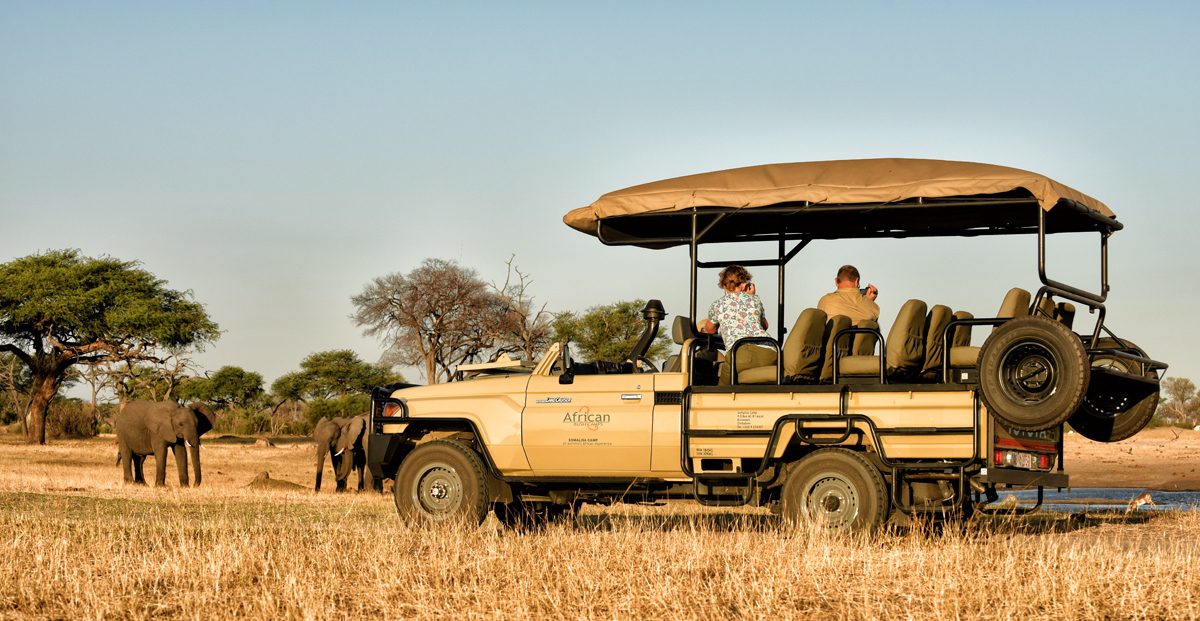
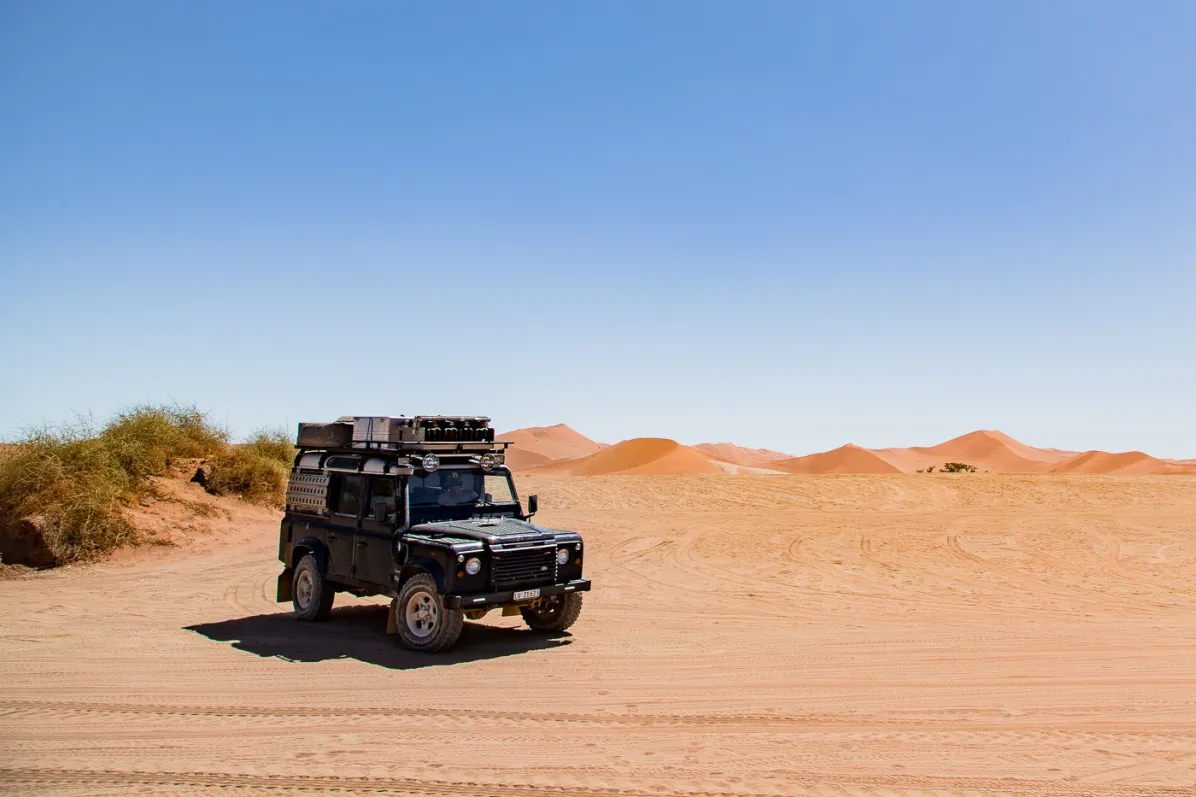
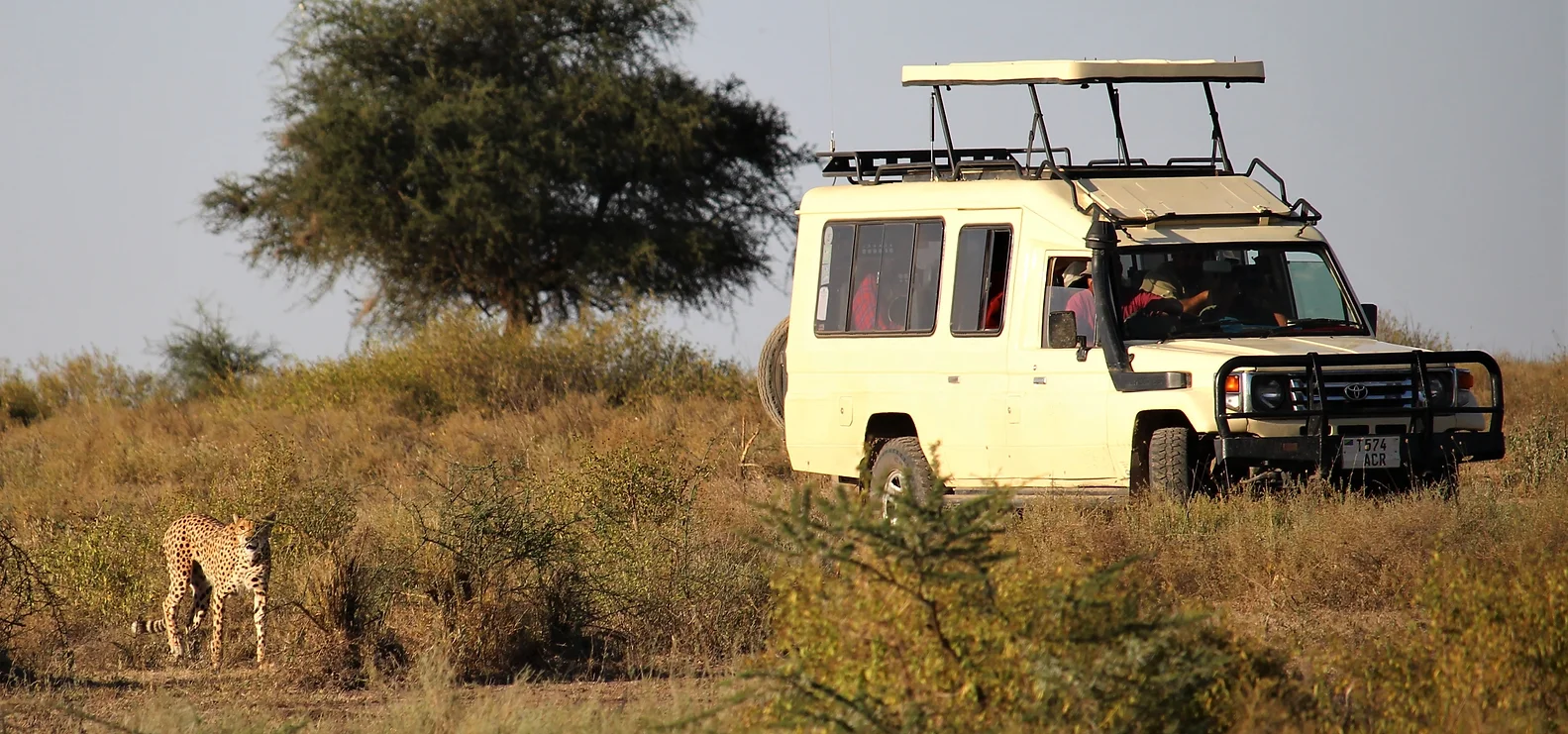
Our 4×4 vehicles handle the dust and dry riverbeds of winter without drama, keeping you comfortable while you’re out chasing elephants and lions across the parks.
The Wet Season: November to April
The wet months work differently, and they split into two phases. November and December see the first rains break the drought. Within days, honestly, sometimes within hours, the landscape shifts from brown to green. Water appears everywhere, so animals spread out across the parks. You’ll work harder to find them, but when you do, they’re not stressed and desperate.
January through March dumps the serious rain. Afternoon thunderstorms become routine, though they usually blow through quickly enough. The bush goes absolutely mad with growth, flowers everywhere, trees leafing out, baby animals stumbling about learning how the world works. If you’re into birds, this season makes the dry months look amateur. Migrants arrive from Europe and up north, and suddenly you’re spotting species that simply don’t exist here half the year.
April signals the shift back towards dry conditions. Rain tapers off, temperatures stay comfortable, and the landscape holds onto its green for a bit longer. Tourist numbers stay low, wildlife viewing picks up again, and you get a sweet spot that many people miss entirely.
Wet season safaris demand different expectations. You’ll peer through thick vegetation trying to spot animals that have no reason to be where you want them. But the payoff comes in watching natural behaviour instead of drought-stressed survival mode. Predators hunt more successfully with good cover. You might actually see a kill instead of just hearing about them. Animals look healthy and fat because food’s abundant.
Roads turn to mud during heavy rain, particularly in remote sections of Mana Pools and Gonarezhou. Some camps shut down completely during the wettest stretch. But lodges that stay open often slash their rates hard, which makes this season brilliant if you’re watching your budget.
Best Months for Specific Wildlife
What you want to see should drive when you book your flights. Different species follow their own calendars across Zimbabwe’s parks.
Elephants mass up during the dry season, especially August through October. Hwange hosts some of the continent’s biggest elephant gatherings during these months, herds of 100-plus animals become routine at major waterholes. You’ll watch family groups sorting out their social dynamics, youngsters mucking about, and bulls having proper scraps over dominance.
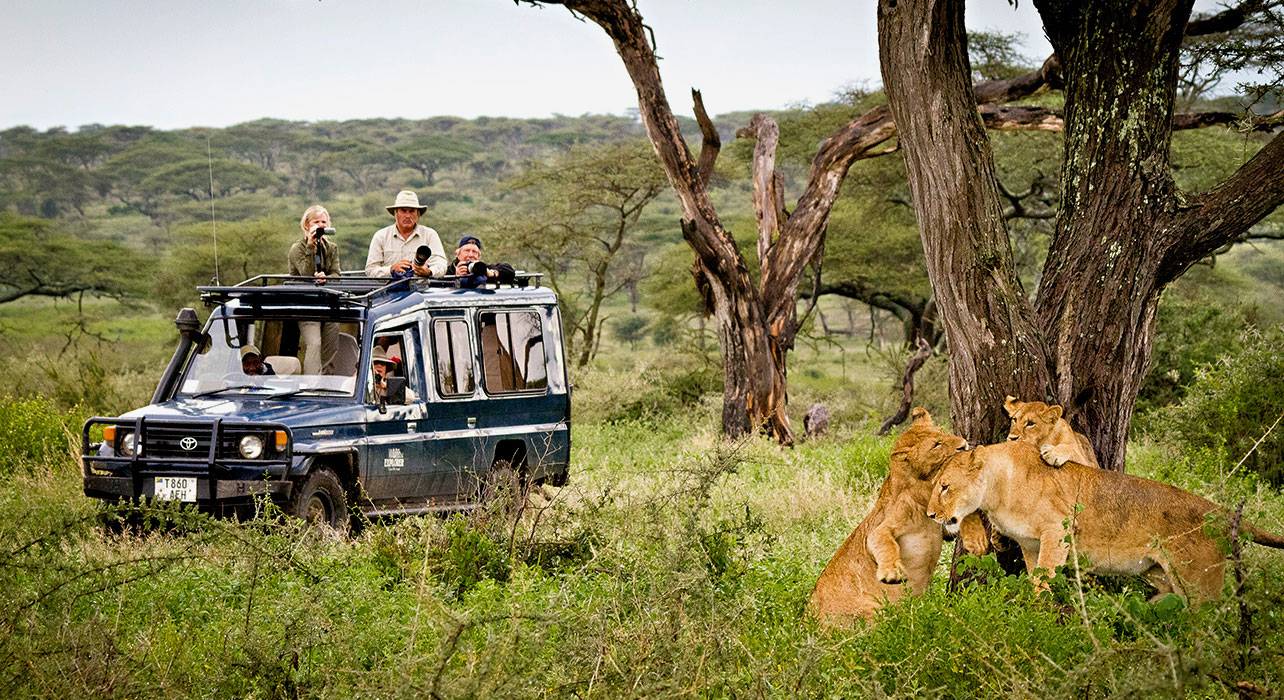
Lion prides get easier to track when the vegetation dies back. September and October hit the sweet spot because thirsty prey animals take risks at waterholes, and lions exploit these predictable patterns ruthlessly. Mana Pools becomes especially good for lion viewing during this stretch.
Leopards stay elusive regardless of season, but you improve your odds during dry season mornings and evenings when they’re actively hunting. The sparse vegetation at least gives you a fighting chance of spotting them in trees or slinking through the bush.
African wild dogs den between May and August, which makes them more stationary and findable. Hwange holds one of Africa’s largest surviving wild dog populations, and these months let you watch pups at den sites, something genuinely special. Check out our packages built specifically around tracking rare species.
Bird people should visit during the wet season when migrants show up. November through March brings ridiculous plumage displays, nesting activity, and species counts that can top 400 in prime spots like Mana Pools.
Weather Considerations by Month
Monthly weather patterns determine what you pack and what you can realistically expect from your safari.
May through August requires serious layering. Dawn game drives start freezing, properly cold, especially on open vehicles, but afternoons warm up nicely. Bring warm jackets, long trousers, and closed shoes for those early drives. These months give you clear skies and bugger-all rain, which photographers love.
September through November sees temperatures climbing steadily. September stays manageable, but October heat becomes oppressive, especially in low-lying spots like Mana Pools. November brings relief when the first rains finally arrive, though afternoon storms can cut game drives short.
December through February delivers hot, sticky conditions with regular afternoon thunderstorms. Temperatures regularly push past 30°C, and humidity makes it feel worse. But those dramatic storm clouds create stunning photography, and the lush landscapes give you beautiful backdrops instead of dusty brown.
March and April might be Zimbabwe’s most pleasant months, weather-wise. Temperatures moderate, rainfall drops off, and the landscape stays green. These months combine comfortable conditions with decent wildlife viewing and thinner crowds.
Park-Specific Timing Recommendations
Different parks shine at different times, so where you’re headed should influence when you go.
Hwange National Park runs year-round and delivers regardless of season. But the dry months (July through October) transform Hwange into Zimbabwe’s wildlife viewing champion. Artificial pumping stations keep water available throughout the park, pulling in massive elephant herds and the predators that shadow them. Our South Africa packages can link up with Hwange visits for a proper extended safari.
Mana Pools shuts down during the wettest months (usually January through March) because the roads become impassable. This park delivers its best viewing during dry season, particularly September and October, when animals concentrate along the Zambezi. The dramatic riverside setting combines with excellent predator sightings and unique canoeing opportunities you won’t find elsewhere.
Victoria Falls changes personality completely with the seasons. April through June shows the falls at absolute peak flow after the wet season rains, creating thunderous cascades that spray mist for kilometres. But that massive spray can actually obscure your view of the falls themselves. September through December offers lower water levels that reveal the geological formations and create better photography conditions.
Gonarezhou National Park down in the southeast sees fewer visitors but rewards adventurous types during dry season. This remote wilderness needs 4×4 access and offers genuine bush experiences away from tourist clusters.
Budget and Crowd Considerations
Safari costs swing wildly by season, with peak months commanding premium rates while shoulder seasons offer serious savings.
July through October represents peak season across Zimbabwe’s parks. Lodges run at capacity, which means you need to book months ahead. Daily rates hit their highest during these months, but you’re paying for optimal wildlife viewing and reliable weather.
April through June delivers excellent value. Wildlife viewing stays solid, especially in May and June, but tourist numbers drop and rates fall by 20 to 40 per cent compared to peak. This period offers the best balance between cost and experience.
November through March sees the lowest rates and smallest crowds. Lodges that stay open during wet season often slash prices significantly to attract visitors. If you can handle less predictable wildlife viewing and occasional rain, you’ll save substantial money and enjoy nearly private safari experiences.
South African school holidays (especially December and July) pump up visitor numbers from neighbouring countries. European summer holidays (July and August) bring international tourists. Booking well ahead becomes essential during these peak periods. Browse our destinations to explore timing options across multiple African countries.
Making Your Final Decision
Choosing when to visit Zimbabwe for safari ultimately balances multiple factors: what wildlife matters most to you, your weather preferences, budget constraints, and how flexible your schedule is.
For first-timers seeking that classic African safari experience, we recommend August through October. These months deliver reliable wildlife viewing, clear weather, and the dramatic drought conditions that concentrate animals. Yes, you’ll share the experience with more tourists and pay premium rates, but you’ll maximise your chances of memorable sightings.
Photographers benefit from dry season conditions when dust at waterholes creates dramatic backlighting and sparse vegetation allows clean shots. But wet season’s green landscapes and dramatic storm clouds offer different creative possibilities.
Budget-conscious travellers should look hard at May, June, or November. These shoulder months combine reasonable wildlife viewing with significantly lower costs and fewer crowds. You’ll sacrifice some of peak season’s intensity but gain a more intimate bush experience.
Bird enthusiasts and those seeking lush landscapes should embrace wet season. December through March transforms Zimbabwe’s parks into green paradises filled with migrating birds and newborn animals. The challenge of spotting wildlife through dense vegetation becomes part of the adventure rather than a frustration.
At Botes Safari, we’ve put together safari experiences for every season across Zimbabwe’s parks. Our guides know seasonal patterns inside out and position you for the best possible sightings regardless of when you visit. We work with lodges across all price ranges, so we can recommend accommodation that matches your budget and expectations.
Your Zimbabwe safari timing should reflect what matters to you rather than following conventional wisdom. Each season rewards you differently, and understanding these differences helps you pick the months that align with your priorities. Whether you’re chasing massive elephant herds at waterholes, photographing migrating birds, or seeking solitude in remote wilderness, Zimbabwe delivers across all seasons.
Frequently Asked Questions
What is the absolute best month to visit Zimbabwe for safari?
September and October offer the most reliable wildlife viewing as animals concentrate around limited water sources, though these months bring high temperatures and peak tourist numbers. August provides similar wildlife viewing with cooler temperatures and slightly fewer crowds, making it the ideal compromise for most visitors.
Can you safari in Zimbabwe during the rainy season?
Yes, wet season safaris (November through March) operate successfully across most Zimbabwe parks, offering lush landscapes, newborn animals, and excellent bird watching. Some remote camps close during peak rainfall, but major parks like Hwange remain accessible year-round with proper vehicles and experienced guides.
How far in advance should I book my Zimbabwe safari?
Peak season months (July through October) require booking six to twelve months ahead, particularly for popular lodges in Hwange and Mana Pools. Shoulder season visits (April through June, November) can be arranged three to six months out, whilst wet season bookings sometimes succeed with just weeks of advance notice.
Does Zimbabwe’s weather affect Victoria Falls viewing?
Water levels at Victoria Falls vary dramatically by season, with peak flow in April through June creating massive spray but potentially obscuring views. September through December offers lower flows that reveal the falls’ structure whilst still providing spectacular viewing conditions.
What should I pack for different seasons in Zimbabwe?
Dry season safaris (May through October) require warm layers for freezing early mornings, sun protection for hot afternoons, and neutral-coloured clothing. Wet season visits need lightweight rain gear, quick-drying fabrics, and insect repellent for increased mosquito activity, whilst warm clothing becomes less critical except in June and July.