Zimbabwe Safari Tours – Discover Africa's Best-Kept Secret
Looking for an authentic African safari that goes beyond the ordinary? Our Zimbabwe safari tours offer the perfect blend of world-class wildlife encounters, breathtaking landscapes, and genuine cultural experiences that will stay with you forever.
Why Choose Zimbabwe for Your Next Safari?
Zimbabwe isn’t just another safari destination – it’s where Africa reveals its soul. While other countries have become tourist highways, Zimbabwe remains beautifully authentic, offering intimate wildlife encounters without the crowds.
Based in the UAE and specializing in custom African safaris, Botes Safaris brings you closer to the thundering majesty of Victoria Falls, the untamed wilderness of Hwange, and the legendary Zambezi River, all wrapped up in expertly crafted Zimbabwe safari packages designed with your comfort and adventure in mind.
Here's what makes Zimbabwe special:
- Africa’s toughest guide qualification
- Uncrowded game viewing
- Exceptional value vs Kenya/Tanzania
- Diverse safari styles
- Genuine local hospitality
Zimbabwe's Safari Destinations
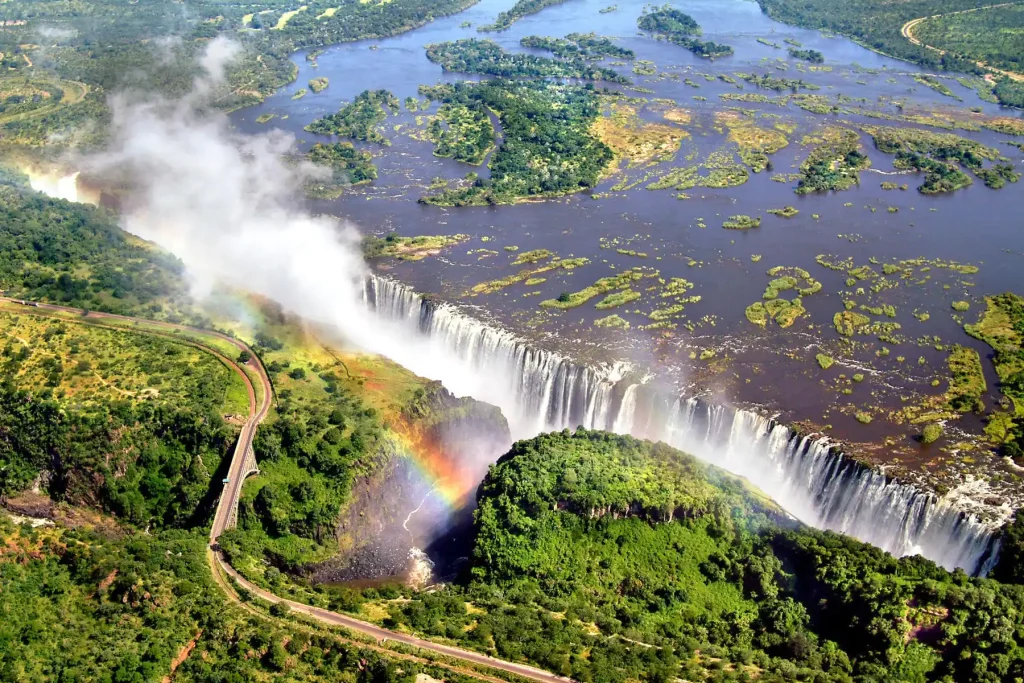
Victoria Falls
Standing before Victoria Falls is one of those rare moments that takes your breath away completely.
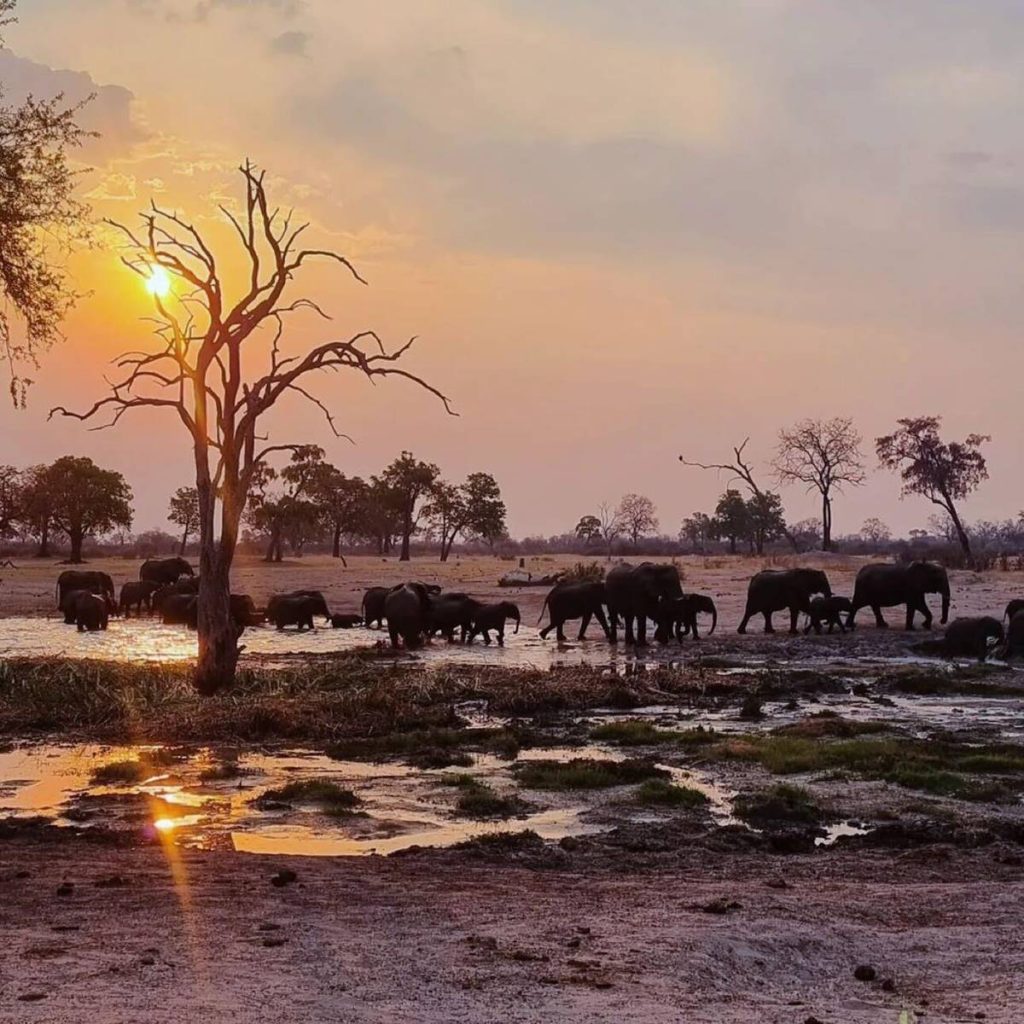
Hwange National Park
Zimbabwe’s largest wildlife reserve and home to Africa’s most impressive elephant populations.
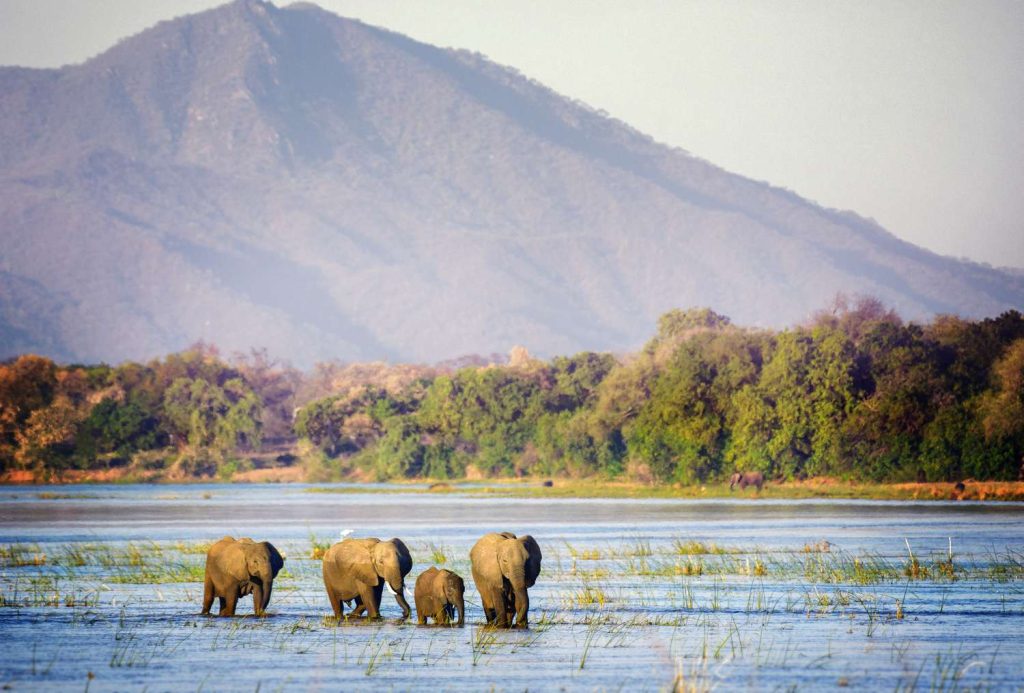
Mana Pools
If there’s one destination that defines wild Africa, it’s Mana Pools. Along the Zambezi River represents everything a true safari should be.
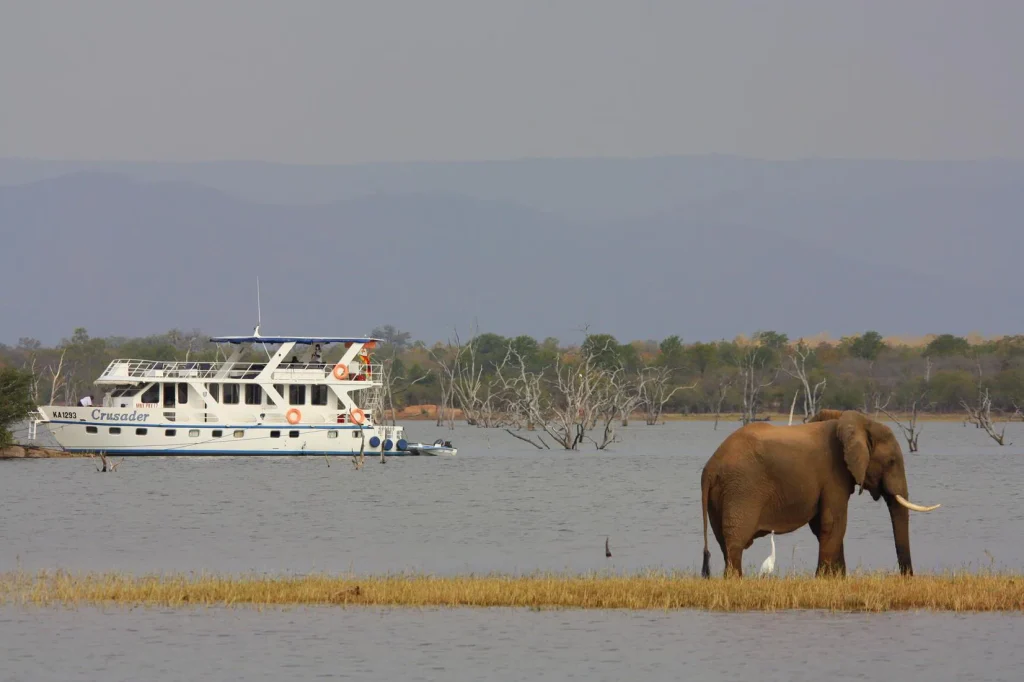
Lake Kariba
Created in the 1950s when the Kariba Dam was built, the lake has transformed into a unique ecosystem where safari meets aquatic adventure.
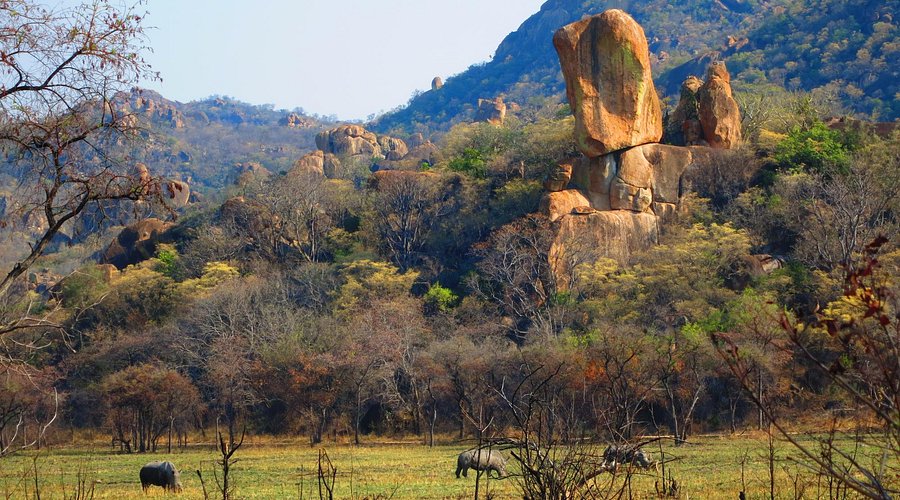
Matobo Hills National Park
Features one of Africa’s most distinctive landscapes, giant granite kopjes balanced impossibly on top of each other, creating natural sculptures that defy gravity.
Victoria Falls – "The Smoke That Thunders"
Standing before Victoria Falls is one of those rare moments that takes your breath away completely. This UNESCO World Heritage Site isn't just one of the Seven Natural Wonders of the World – it's a force of nature that you feel in your bones as 550 million litres of water per minute thunder over a 1.7-kilometre-wide basalt cliff. The local name, Mosi-oa-Tunya (The Smoke That Thunders), perfectly captures the experience. The spray rises up to 400 metres into the air, creating permanent rainbows and soaking visitors who dare to approach the edge. On full moon nights, you can even witness the rare "lunar rainbow" – a sight few people ever get to see.
Flight of Angels
Helicopter and microlight flights offer perspectives that photographers dream about. Soaring over the falls, you’ll understand why David Livingstone said the sight “must have been gazed upon by angels in their flight.” The 13-15 minute flight takes you over the falls, along the Zambezi gorges, and across the spray-drenched rainforest.
Adventure Capital of Africa
Victoria Falls town has earned its reputation as the adrenaline capital of the continent. The gorge swing drops you 70 metres in free fall before swinging you across the gorge. White-water rafting on the Zambezi offers grade 5 rapids that rank among the world’s wildest. And the Victoria Falls Bridge bungee jump? At 111 metres, it’s not for the faint-hearted, but the rush is unforgettable.
Zambezi Sunset Cruises
After a day of adventure, nothing beats drifting along the upper Zambezi as the sun sets. Hippos surface nearby, elephants wade across to the islands, and crocodiles sun themselves on the banks. With a sundowner in hand and Africa’s wildlife all around you, this is safari magic at its finest.
The Rainforest
The constant spray from the falls sustains a lush rainforest that’s completely unique to this microclimate. Walking through the mist, surrounded by rare ferns and towering trees, you’ll get soaked – but the views from strategic viewpoints make it absolutely worthwhile.
Did you know?
At peak flow, over 550 million litres of water per minute crash into the gorge.
Lunar rainbows appear only during full-moon nights — one of the rarest natural phenomena on earth.
Best Time to Visit Victoria Falls
Feb–May: Maximum water flow
Jul–Oct: Clear views & gorge access
Hwange National Park – Zimbabwe's Elephant Kingdom
Covering 14,650 square kilometres, Hwange National Park is Zimbabwe's largest wildlife reserve and home to one of Africa's most impressive elephant populations. During the dry season, over 40,000 elephants migrate through the park, creating spectacles that belong on documentary screens. But what makes Hwange truly special is its incredible diversity. Unlike parks dominated by a single landscape, Hwange transitions from Kalahari sands to granite kopjes, from mopane woodlands to seasonal wetlands. This variety creates habitats for virtually every major African species.
The Waterhole Experience
Hwange’s famous waterholes are where safari dreams unfold. As the dry season progresses (July to October), these artificial and natural water sources become wildlife magnets. Sitting in one of the park’s renowned photographic hides, you’ll watch nature’s drama unfold:
Elephant herds numbering over 100 arrive in waves throughout the day. Family groups with tiny calves drink cautiously while matriarchs keep watch. Teenage bulls test their strength against each other. During peak dry season, you might see 300+ elephants around a single waterhole.
Between elephant visits, other species take their chances. Giraffe approach awkwardly, legs splayed wide to reach the water. Buffalo herds thunder in, 500 strong. Zebra and wildebeest nervously scan for predators. And those predators? They’re watching too.
Predator Paradise
Hwange boasts some of Southern Africa’s healthiest predator populations:
Lions – The park’s lion prides are legendary, with some of Africa’s largest males. The famous Ngweshla pride has been studied for decades. These lions have learned to hunt elephant calves when opportunities arise, showcasing the raw reality of African wilderness.
Painted Wolves (African Wild Dogs) – Hwange is one of Africa’s most important strongholds for these endangered predators. With pack sizes sometimes reaching 30+ individuals, witnessing a wild dog hunt is one of nature’s most spectacular events. They hunt in the early morning and late afternoon, working together with military precision.
Cheetahs – The park’s open grasslands in the southern regions provide perfect cheetah habitat. These areas offer some of Zimbabwe’s best cheetah viewing, particularly around Linkwasha and Dete Vlei.
Leopards – Though more elusive, Hwange’s leopards are frequently spotted, especially around rocky outcrops and along tree-lined seasonal rivers.
The Private Concessions
While the main park offers excellent game viewing, Hwange’s private concessions take the experience to another level:
- Smaller guest numbers – Often limited to just 2-3 camps per vast area
- Off-road driving – Follow predators into the bush, not just along tracks
- Night drives – Spotlight nocturnal species including honey badgers, porcupines, aardvarks, and hunting predators
- Walking safaris – Experience the bush on foot with armed professional guides
Exclusive waterholes – Private viewing areas where you won’t compete with other vehicles
Did you know?
Hwange is home to one of Africa’s largest elephant populations, with over 40,000 elephants.
There are no rivers running through most of the park, so wildlife gathers dramatically around pumped waterholes.
Best Time to Visit
May to October for concentrated wildlife around waterholes, November to April for birding and lush landscapes
Mana Pools National Park – UNESCO Wilderness Wonder
If there's one destination that defines wild Africa, it's Mana Pools. This UNESCO World Heritage Site along the Zambezi River represents everything a true safari should be – remote, unfenced, teeming with wildlife, and experienced on foot. The name "Mana" means "four" in Shona, referring to the four large permanent pools formed by the Zambezi. These pools, along with the river itself, create one of Africa's most productive wildlife corridors. During the dry season (May to October), the floodplains become a wildlife theatre unlike anywhere else on the continent.
Walking Safari Paradise
Mana Pools is one of the few national parks in Africa where you can explore on foot without a vehicle – truly immersing yourself in the wilderness. With a professional guide carrying a rifle (just in case), you’ll track animals through jesse bush, across open floodplains, and along the Zambezi’s edge.
The experience of approaching a herd of elephants on foot, watching their ears flare as they catch your scent, feeling your heart pound as your guide whispers instructions – this is safari as it was meant to be experienced. Every sense is heightened. Every sound matters. Every moment is real.
The Standing Elephants of Mana Pools
Mana Pools is world-famous for its elephants that literally stand on their hind legs to reach nutritious acacia pods high in the trees. This behaviour is almost exclusive to Mana Pools, where bulls have learned to balance their entire weight on their back legs, stretching up to 6 metres to reach their favourite food.
Watching a 6-tonne elephant perform this gravity-defying feat while you sit beneath the same tree is both humbling and extraordinary. Photographers travel from around the world specifically for this shot.
Canoe Safaris on the Zambezi
Paddling silently along the Zambezi as the sun rises is pure African magic. Hippos grunt warnings from their pods. Crocodiles slip into the water as you approach. Fish eagles call from riverside trees. Elephants wade into the shallows to drink and bathe.
Your guide navigates channels between islands, pointing out wildlife tracks in the sand, explaining bird calls, and sharing the river’s secrets. It’s peaceful, exhilarating, and completely unlike vehicle-based safaris.
Half-day and full-day canoe safaris are available, with some itineraries offering multi-day canoe expeditions where you camp on islands under the stars.
Predator Central
Mana Pools supports exceptional predator populations:
Lions – The park’s lion prides are famous for their buffalo hunting prowess. These are big, powerful cats that have learned to take down prey that weighs 10 times their weight. Watching a pride strategize and execute a buffalo hunt is unforgettable.
Leopards – The riverine forest provides perfect leopard habitat. These solitary cats are frequently spotted hauling impala kills into massive mahogany and ebony trees.
African Wild Dogs – Mana Pools is a stronghold for these endangered predators. Packs den in the park, and watching 20+ wild dogs coordinate a hunt across the floodplains demonstrates nature’s perfect hunting machine.
The Landscape
Unlike many safari parks, Mana Pools offers constantly changing scenery:
- Ancient albida trees creating natural cathedrals
- Open floodplains stretching to the Zambezi escarpment
- Dense jesse bush where buffalo hide during the heat of the day
- The mighty Zambezi River, sometimes calm, sometimes wild
- Spectacular sunsets that photographers live for
Did you know?
Mana Pools is a UNESCO World Heritage Site due to its untouched wilderness and biodiversity.
Elephants here are famous for standing on their hind legs to reach tree canopies — a learned behaviour passed down generations.
Best Time to Visit
May to October (dry season) for walking safaris and concentrated wildlife. The park closes during the green season when floodwaters make it inaccessible.
Lake Kariba – Safari from the Water
Lake Kariba isn't just a body of water – it's one of the world's largest man-made lakes, covering 5,580 square kilometres along the Zimbabwe-Zambia border. Created in the 1950s when the Kariba Dam was built, the lake has transformed into a unique ecosystem where safari meets aquatic adventure.
Houseboat Safaris – A Completely Different Experience
Imagine waking up on the water, coffee in hand, as hippos surface nearby and fish eagles call from skeletal trees. Houseboat safaris on Lake Kariba offer something no land-based lodge can match – you’re constantly surrounded by water and wildlife.
Modern houseboats range from comfortable to luxurious:
- Spacious decks perfect for game viewing and sunset cocktails
- Comfortable cabins with en-suite bathrooms
- Full catering with fresh meals prepared by onboard chefs
- Tender boats for exploring shallow bays and getting closer to wildlife
- Water sports equipment including kayaks and fishing gear
During the day, your captain navigates to wildlife hotspots. Elephants wade into the shallows to feed on underwater vegetation. Buffalo herds come to drink at the water’s edge. Lions sometimes swim between islands (yes, really). And hippos? They’re everywhere.
Tiger Fishing – Africa's Ultimate Sport Fish
Lake Kariba is legendary among fishing enthusiasts as one of the world’s premier tiger fishing destinations. The Tigerfish (Hydrocynus vittatus) is a fierce predator with razor-sharp teeth and incredible fighting power.
These silver torpedoes can reach 15kg, though most catches are 2-5kg. The fight is what makes them special – explosive runs, acrobatic jumps, and pure aggression. Landing a tiger fish is an achievement that anglers talk about for years.
Peak fishing season runs September to December when tigers are most aggressive. Catch-and-release is standard practice, allowing these magnificent fish to fight another day.
Game Viewing from the Water
What makes Kariba’s game viewing unique is the perspective. You approach wildlife from the water, often getting far closer than you could on land:
- Elephants crossing between islands or feeding in the shallows
- Buffalo herds numbering in the hundreds along the shoreline
- Hippos in massive pods, sometimes hundreds together
- Crocodiles sunbathing on the banks (Kariba has some of Africa’s biggest crocs)
- Waterbuck, kudu, and impala grazing near the water
Incredible birdlife – over 240 species including fish eagles, kingfishers, herons, and storks
Kariba Sunsets – Simply Legendary
Ask anyone who’s visited Lake Kariba about the sunsets, and you’ll see their eyes light up. As the sun drops toward the western horizon, the sky explodes in oranges, reds, and purples. The water reflects like a mirror. Silhouetted trees frame the scene. It’s the kind of beauty that makes you understand why people keep returning to Africa.
The Matusadona Connection
The lake’s southern shore borders Matusadona National Park, offering opportunities to combine houseboat safaris with land-based game drives. This combination provides the best of both worlds – aquatic relaxation and traditional safari experiences.
Did you know?
Lake Kariba is one of the largest man-made lakes in the world by volume.
Submerged trees from the original valley create a haunting landscape — perfect for tiger fishing and sunset photography.
Best Time to Visit
Year-round destination, but September to November offers excellent fishing and game viewing during dry season. April to August provides cooler temperatures and good tiger fishing.
Matobo National Park
Matobo (also called Matopos) National Park is where Zimbabwe's geological drama meets its deep history. This UNESCO World Heritage Site, just 35 kilometres south of Bulawayo, features one of Africa's most distinctive landscapes – giant granite kopjes balanced impossibly on top of each other, creating natural sculptures that defy gravity. The Ndebele people consider these hills sacred, believing them to be the dwelling place of spirits. Walking among these ancient rocks, you can feel why – there's a presence here, a weight of history that makes you speak in hushed tones.
The Balancing Rocks – Nature's Architecture
Millions of years of weathering have created Matobo’s signature landscape. Massive granite boulders, some the size of houses, balance precariously on smaller rocks, creating formations that look like they might topple at any moment (but have stood for millennia).
These formations create:
- Natural caves that have sheltered humans for over 100,000 years
- Strategic viewpoints offering 360-degree panoramas across the hills
- Unique microclimates supporting rare plant species
- Dramatic photography opportunities at every turn
The most famous formation is “Mother and Child” – Zimbabwe’s national symbol that appears on the country’s currency.
Rhino Tracking – An Intimate Wildlife Experience
Matobo National Park is one of Zimbabwe’s most important rhino sanctuaries, protecting both black and white rhino populations. Unlike most safari experiences where you watch from a vehicle, rhino tracking here is done on foot.
Your professional guide reads the signs – fresh dung, broken branches, tracks in the dust – following the trail until you spot your quarry. Then comes the careful approach, moving silently, staying downwind, until you’re standing just metres from these prehistoric-looking giants.
White rhinos are generally calmer, often allowing relatively close approaches as they graze peacefully. Black rhinos, however, are more temperamental and unpredictable, adding a genuine element of adrenaline to encounters.
This isn’t watching wildlife from behind glass – it’s experiencing them on their terms, in their environment, with nothing between you. It’s thrilling, humbling, and absolutely unforgettable.
San Rock Art – 13,000 Years of Human History
Matobo contains one of the world’s highest concentrations of rock art, with over 3,000 registered sites. The San people (Bushmen) created these paintings over thousands of years, using natural pigments that have somehow survived despite exposure to the elements.
The paintings depict:
- Hunting scenes showing San hunters with bows and arrows
- Eland antelope (spiritually significant to the San)
- Dancing figures representing spiritual ceremonies
- Geometric patterns whose meanings we can only guess at
Some of the most accessible sites include:
Nswatugi Cave – Features beautifully preserved paintings including the famous eland and human figures in ceremonial dance.
Bambata Cave – Contains layered paintings from different time periods, showing how styles evolved over thousands of years.
Inanke Cave – Showcases some of the park’s finest giraffe paintings.
Visiting these sites with a knowledgeable guide brings the paintings to life, explaining the techniques, meanings, and cultural significance behind each image.
Game Viewing in Matobo
While Matobo is famous for rhinos and rock art, it also supports healthy populations of other wildlife:
- Leopards – The rocky terrain provides perfect leopard habitat
- Sable antelope – These magnificent animals are commonly seen
- Giraffes – Rothschild’s giraffes graze among the kopjes
- Zebras – Often seen on the grassy plains between rock formations
- Klipspringers – Small antelope perfectly adapted to rocky environments
Black eagles – Matobo has one of the world’s highest densities of these majestic raptors
World's View – Cecil John Rhodes' Final Resting Place
At the summit of Malindidzimu Hill lies “World’s View,” where British imperialist Cecil John Rhodes is buried.
Regardless of one’s opinions about Rhodes (and they’re controversial), the location offers genuinely breathtaking panoramas across the Matobo Hills.
Rhodes himself chose this spot, saying: “I will call this place World’s View… because here you get the view of the whole world.” While not literally accurate, standing at the summit as the sun sets over the granite kopjes, it’s easy to see what he meant.
Also buried here are several pioneers of Rhodesia, as well as soldiers who died in the Shangani Patrol of 1893.
Did you know?
Matobo has the highest concentration of rock art in Southern Africa, dating back over 13,000 years.
It’s one of the best places in Africa to track rhinos on foot with expert guides.
Best Time to Visit
Year-round destination. May to October offers pleasant weather for hiking and rhino tracking. November to April brings lush vegetation and dramatic storm clouds perfect for photography.
Our Zimbabwe Safari Packages
We understand that planning an African safari from the UAE requires expertise, reliability, and attention to detail. That’s why our Zimbabwe safari packages are designed specifically with Middle East travelers in mind – taking care of every detail so you can simply enjoy the experience.
Classic Zimbabwe Safari (7-10 Days)
Best for: First-time safari travellers
Positioning: Zimbabwe’s essential highlights, executed flawlessly
Key Destinations
Victoria Falls – The world’s largest waterfall by combined width and height
Hwange National Park – Vast elephant herds and elite predator sightings
Zambezi River Cruise – Sundowners with hippos, crocodiles, and elephants at the water’s edge
Did You Know?
Hwange has no major rivers—wildlife congregates around pumped waterholes, creating some of Africa’s most reliable game viewing.
This itinerary delivers maximum impact without fatigue, supported by handpicked lodges and expert guides.
Ultimate Zimbabwe Safari Experience (12-14 Days)
Best for: Wildlife purists, photographers, repeat Africa travellers
Positioning: Total immersion, zero compromise
Included Highlights
Mana Pools National Park – World-class walking safaris
Lake Kariba – Houseboat safari on one of the world’s largest man-made lakes
Matobo Hills – Rhino tracking and ancient rock art
Hwange & Victoria Falls – The definitive Zimbabwe core
Did You Know?
Mana Pools elephants are famous for standing on their hind legs to reach treetops—a rare, learned behaviour unique to the region.
This is Zimbabwe in full depth—slow travel, meaningful encounters, and cinematic landscapes.
Victoria Falls & Chobe Combination
Best for: Couples, families, small groups
Positioning: Two countries, one seamless journey
Experience Overview
Victoria Falls explored from both Zimbabwe and Zambia
Cross into Botswana’s Chobe National Park, home to Africa’s densest elephant population
River cruises, game drives, and optional adventure activities
Did You Know?
Chobe supports over 120,000 elephants, making it one of the highest concentrations on the continent.
This itinerary balances iconic sights with variety and pace.
What You’ll Experience on Our Zimbabwe Safari Tours
Every destination mentioned above can be seamlessly integrated into your personalized itinerary. Whether you want the adrenaline rush of Victoria Falls adventures, the intimate wildlife encounters of Mana Pools walking safaris, the unique perspective of Lake Kariba houseboats, or the historical depth of Matobo’s rock art – we’ll create the perfect combination.
Our expert team designs each Zimbabwe safari tour around your interests, fitness level, photography ambitions, and available time.
Did You Know?
No two Botes Safaris itineraries are identical—each route is custom-built, not templated.
Why Book Your Zimbabwe Safari with Botes Safaris?
We’re Not Just Tour Operators — We’re Safari Specialists
With bases in both the UAE and Southern Africa, we understand exactly what Middle East travelers need. From dietary requirements to communication preferences, we’ve got you covered.
Our advantages:
- Direct UAE contact – Reach Liander (+971 56 101 0279) or Bevan (+971 56 455 2384) anytime during UAE business hours
- On-the-ground expertise – Our team knows Zimbabwe intimately, from the best lodges to secret wildlife spots
- Flexible itineraries – Every safari is customized to your interests, timeline, and budget
- Premium partnerships – We work with Zimbabwe’s finest lodges and camps
- Seamless logistics – We handle everything from flights to transfers to activities
- Photography focus – Special routes and timing for serious photographers
Family-friendly options – Zimbabwe is excellent for families with children
Did You Know?
Zimbabwe offers some of Africa’s best guide-to-guest ratios, enhancing safety, education, and wildlife access.
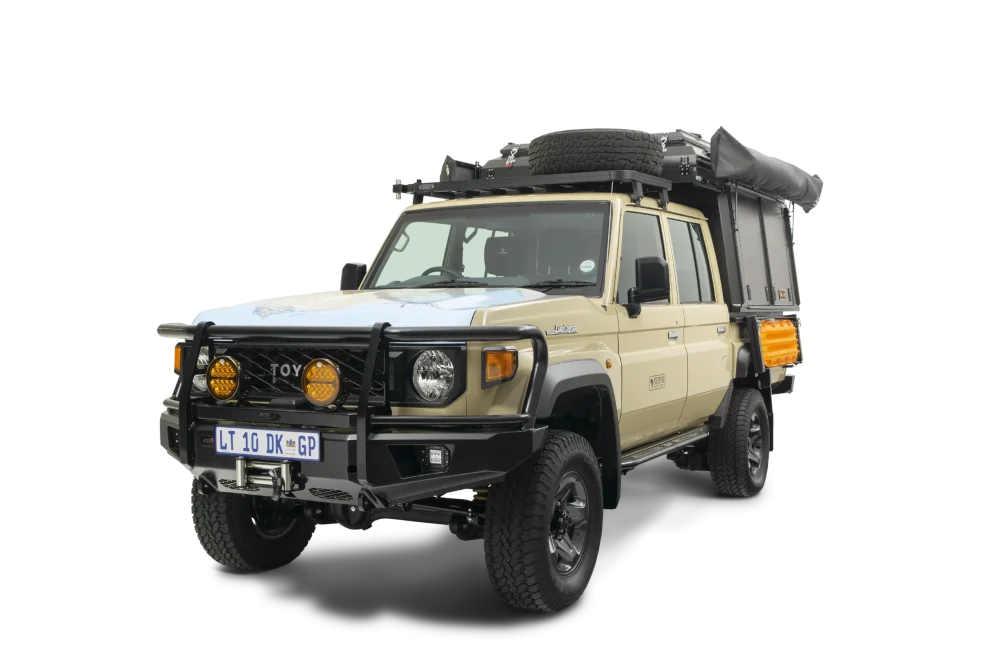
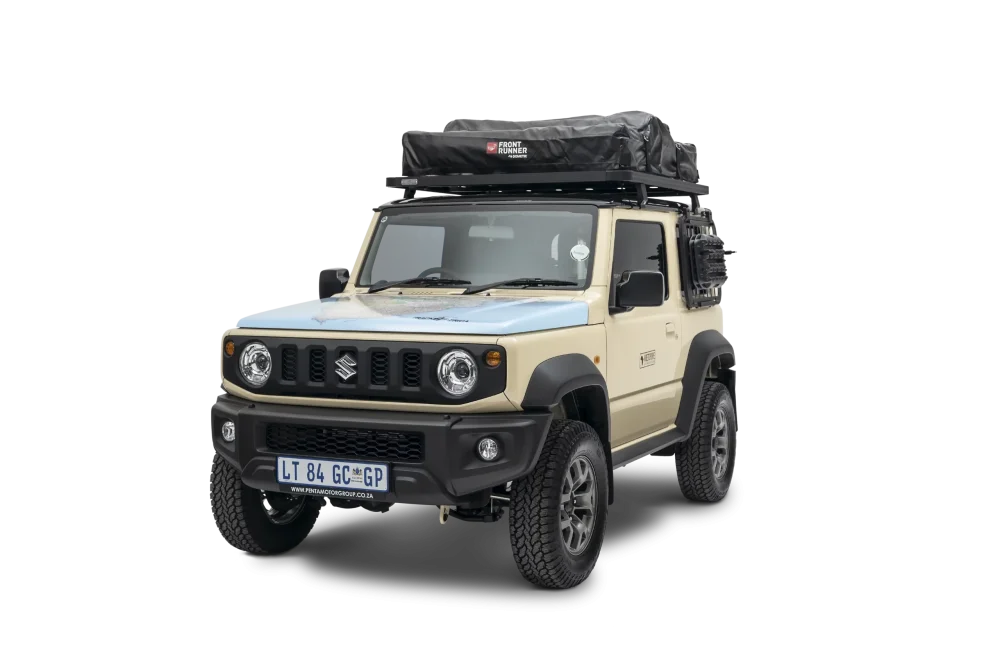
Our 4×4 Fleet – Comfort Meets Adventure
We provide fully equipped 4×4 safari vehicles designed for African conditions:
- Pop-up roofs for optimal game viewing and photography
- Comfortable seating for long game drives
- Charging stations for cameras and devices
- Professional drivers who double as knowledgeable guides
- Two-way radios for communication between vehicles
For self-drive enthusiasts, we also offer vehicle rental with comprehensive briefings and support throughout your journey.


When to Visit Zimbabwe – Timing Your Safari
Zimbabwe offers excellent wildlife viewing year-round, but timing affects what you’ll experience:
Dry Season (May to October)
Best for: Wildlife viewing, walking safaris, photography
Animals gather around permanent water sources, making sightings predictable and spectacular. The bush thins out, improving visibility. This is peak safari season, especially July to October.
Highlights:
- Large elephant herds at Hwange waterholes
- Easier predator spotting
- Pleasant weather with warm days and cool nights
- Victoria Falls still impressive (though lower water levels)
- Mana Pools at its absolute best
Did You Know?
Mana Pools is at its absolute best during the late dry season.
Green Season (November to April)
Best for: Bird watching, dramatic landscapes, value pricing
The rains transform Zimbabwe into a green paradise. While wildlife disperses somewhat, this season offers unique experiences:
Highlights:
- Victoria Falls at maximum power (February to May)
- Spectacular bird migrations (over 650 species)
- Newborn animals everywhere
- Lush, photogenic landscapes
- Fewer tourists and better rates
Did You Know?
This is the only season when you can witness Victoria Falls at full thunder.
Combining Zimbabwe with Neighboring Countries
One of Zimbabwe’s greatest advantages is its location – it’s the perfect hub for multi-country safaris.
Zimbabwe + Botswana
Combine Victoria Falls and Hwange with Botswana’s Chobe National Park and Okavango Delta. This creates one of Africa’s most comprehensive safari experiences, covering diverse ecosystems and wildlife populations.
Zimbabwe + Zambia
Experience Victoria Falls from both sides, then explore Zambia’s South Luangwa National Park – famous for leopard sightings and excellent walking safaris.
Zimbabwe + Mozambique
End your safari adventure with beach relaxation on Mozambique’s pristine coastline – the perfect way to decompress after intense wildlife experiences.
Practical Information for UAE Travellers
One of Zimbabwe’s greatest advantages is its location – it’s the perfect hub for multi-country safaris.
Visa Requirements
UAE passport holders can obtain visas on arrival in Zimbabwe. We provide detailed documentation support to ensure smooth immigration procedures.
Flights from UAE
Direct and connecting flights available from Dubai and Abu Dhabi to Victoria Falls and Harare. We handle all internal transfers and connecting flights
Health Considerations
Malaria prophylaxis recommended for wildlife areas (not Victoria Falls town). We provide comprehensive pre-departure health information tailored to your specific itinerary.
Currency & Payments
Zimbabwe uses USD. We advise on cash requirements and handle most payments in advance, so you can travel with minimal concerns.
Ready to Experience Zimbabwe?
Your African adventure starts with a conversation. Whether you’re dreaming of witnessing Victoria Falls’ power, tracking rhinos in Matobo, photographing Mana Pools’ legendary elephants, or relaxing on a Lake Kariba houseboat, we’ll craft the perfect Zimbabwe safari tour for you.
Frequently Asked Questions About Zimbabwe Safari Tours
Our Zimbabwe safari packages typically range from:
- Budget safaris: $200-350 per person per day
- Mid-range safaris: $350-600 per person per day
- Luxury safaris: $600-1,200+ per person per day
Prices include accommodation, meals, game drives, park fees, and professional guiding. International flights are additional.
- Season: Green season offers 20-40% savings versus peak dry season
- Accommodation level: From camping to ultra-luxury lodges
- Group size: Private safaris cost more than group departures
- Duration: Longer safaris often have better per-day rates
Activities: Walking safaris, helicopter flights add to base costs
Included:
- All accommodation and three meals daily
- Game drives (usually twice daily)
- Professional guide services
- Park entrance fees
- Internal transfers
- Bottled water during activities
Not included:
- International flights
- Visa fees ($30-45 USD)
- Travel insurance
- Optional activities (helicopter flights, bungee jumping)
- Gratuities
- Personal expenses
Popular routes:
- Dubai/Abu Dhabi → Johannesburg → Victoria Falls (most common)
- Dubai/Abu Dhabi → Addis Ababa → Victoria Falls/Harare
- Dubai → Nairobi → Victoria Falls/Harare
Total travel time: 12-16 hours including layovers. We handle all bookings and connections.
Yes, but it’s simple. Obtain a visa on arrival at airports ($30 single entry, $45 double entry). Requirements:
- Valid passport (6+ months)
- Return ticket confirmation
- Proof of accommodation
We provide all necessary documentation.
Zimbabwe is 2 hours behind UAE (minimal jet lag).
Absolutely. We handle flights, accommodation, transfers, activities, and provide pre-departure briefings. Contact our UAE team directly during business hours.
US Dollars are used throughout Zimbabwe. Bring clean, newer bills (post-2009) in mixed denominations. We advise on recommended amounts based on your itinerary.
Top packages:
- Classic Zimbabwe Explorer (10 days)
- Victoria Falls (3 nights)
- Hwange National Park (3 nights)
- Mana Pools (3 nights)
- Victoria Falls & Hwange Short Break (5-7 days)
- Victoria Falls (2-3 nights)
- Hwange (3-4 nights)
- Perfect for first-timers
- Ultimate Zimbabwe Experience (12-14 days)
- Victoria Falls, Hwange, Mana Pools, Lake Kariba
- Comprehensive exploration
- Photography Safari (12 days)
- Mana Pools and Hwange private concessions
- Optimal timing and positioning
The Classic Zimbabwe Explorer combines iconic Victoria Falls with excellent Big 5 viewing in Hwange – perfect introduction to African safaris.
Focus on Mana Pools (standing elephants, canoe opportunities) and Hwange’s photographic hides (eye-level waterhole shots). We design photography-specific itineraries with optimal lighting and positioning.
- Hwange National Park
Best for: Elephant herds, Big 5, first-time visitors. Over 40,000 elephants, excellent predators. - Mana Pools National Park
Best for: Walking safaris, photography, adventure. UNESCO site with standing elephants and canoe safaris. - Victoria Falls
Best for: Iconic sights, adventure activities, natural wonders. - Lake Kariba
Best for: Houseboat safaris, tiger fishing, unique perspectives.
5. Matobo National Park
Best for: Rhino tracking, rock art, unique landscapes.
Combine Hwange (elephant, lion, leopard, buffalo) with Matobo (rhinos) for guaranteed Big 5 viewing.
Dry Season (May-October) – Prime Time
Best wildlife viewing as animals concentrate at water sources. Pleasant weather, minimal rain, excellent visibility.
- May-June: Early season, lower rates
- July-August: Peak season, excellent viewing
- September-October: Best wildlife, highest rates, hot weather
Green Season (November-April) – Wet Season
Advantages:
- Victoria Falls at maximum power
- Newborn animals
- Lush landscapes
- 20-40% lower rates
- Fewer tourists
Disadvantages:
- Wildlife more dispersed
- Mana Pools closed
- Higher temperatures
February-May: Maximum power, dramatic spray
June-August: Good flow, better visibility
September-November: Lower levels, access to Devil’s Pool
- Peak season: 6-12 months advance
- Shoulder season: 3-6 months
Green season: 2-3 months
Virtually Guaranteed:
- Elephants (hundreds in Hwange)
- Buffalo (massive herds)
- Zebras, impala, giraffes
- Hippos and crocodiles
- Warthogs
Very Likely:
- Lions (excellent in Hwange/Mana Pools)
- Leopards (especially on night drives)
- Wild dogs (Zimbabwe stronghold)
- Hyenas, kudus, waterbuck
Good Chances:
- Cheetahs (Hwange grasslands)
- Rhinos (Matobo tracking)
- Sable and roan antelope
Rare but Possible:
- Pangolins, honey badgers, aardvarks
Birds: Over 650 species including fish eagles, bee-eaters, and countless raptors.
Yes, combining Hwange and Matobo ensures Big 5 sightings.
- Standing elephants (Mana Pools exclusive)
- Wild dog stronghold
- World-class walking safaris
- Uncrowded viewing
Yes. Safari areas are very safe with excellent security. Professional guides ensure wildlife encounters are managed safely. We provide 24/7 support throughout.
Essentials:
- Neutral-colored clothing
- Warm layer for mornings
- Comfortable walking shoes
- Hat, sunglasses, sunscreen
- Binoculars and camera
- Insect repellent with DEET
- Malaria prophylaxis